In a world increasingly shaped by automation, speed and digital convenience, Machinate was created to pause and celebrate something different: craft.
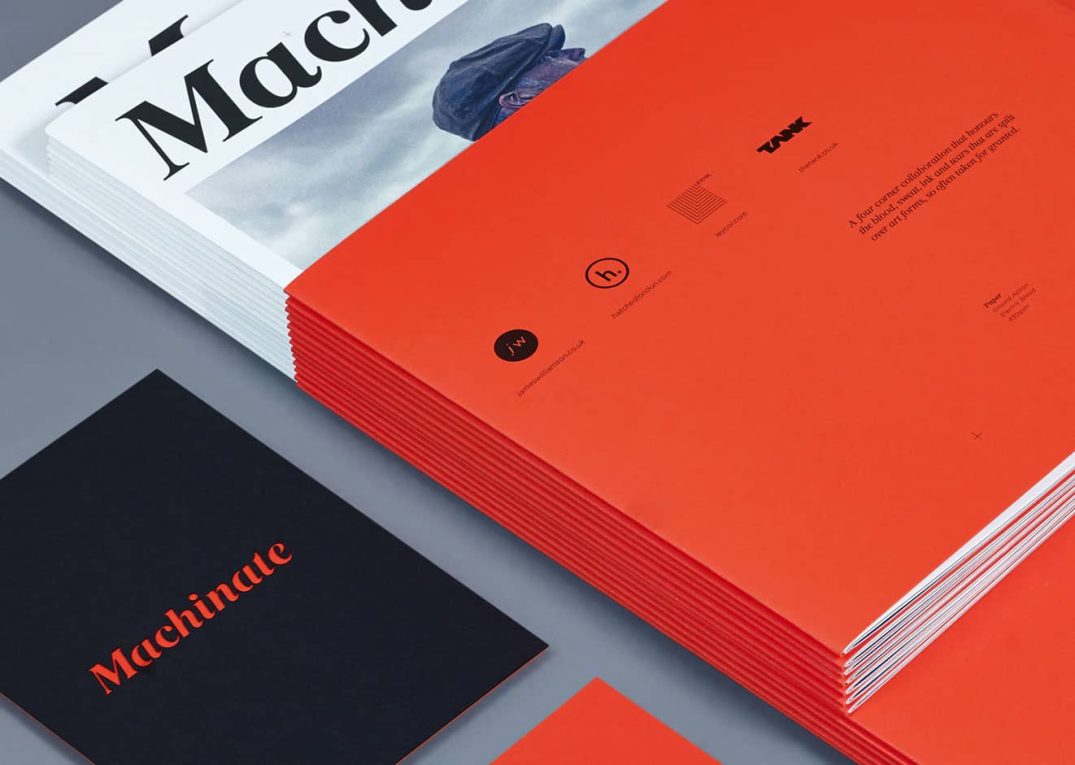
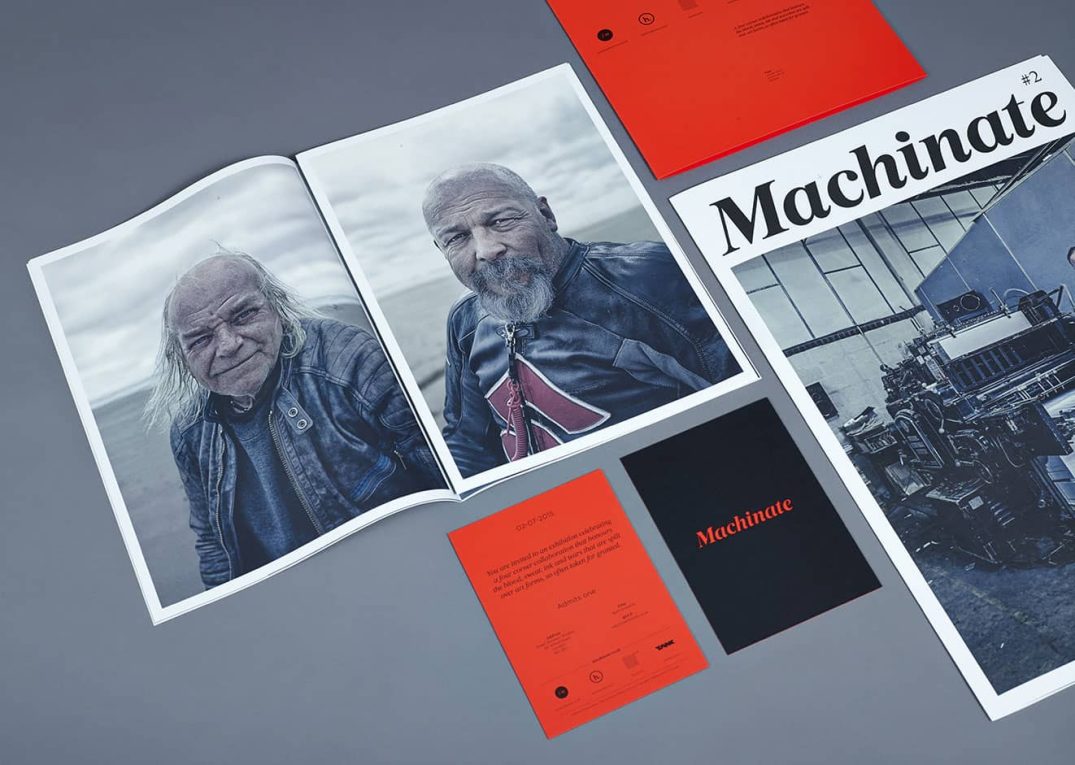
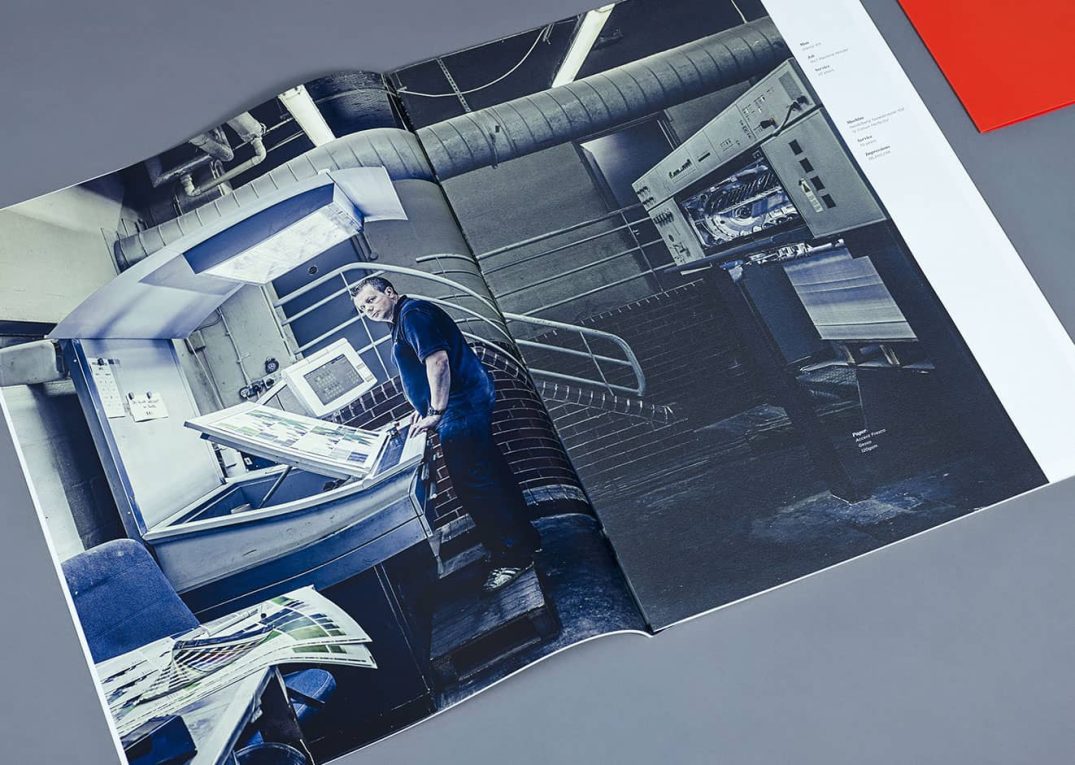
Bringing together Hatched, photographer James Williamson, Leycol Printers and Tank Post Production, the project explored the relationship between man and machine through two beautifully produced photography look books. They became a showcase of what happens when creative disciplines collaborate, pushing paper, print, photography and design to their limits.
Heartbeat
There wasn’t a client. There wasn’t a brief. There was simply a shared belief that craftsmanship still matters.
Every decision, from the photography and typography to the paper stocks, finishes and production techniques, was considered as carefully as the images themselves. The books weren’t designed to sit on a shelf; they were designed to be picked up, explored and appreciated as physical objects.
The concept, Machinate, examined the relationship between manual craftsmanship and automation, allowing each collaborator to demonstrate their expertise while contributing to a single creative vision. The result blurred the line between portfolio, exhibition piece and print sample, proving that thoughtful design is as much about the experience of holding something as it is about looking at it.
Impact
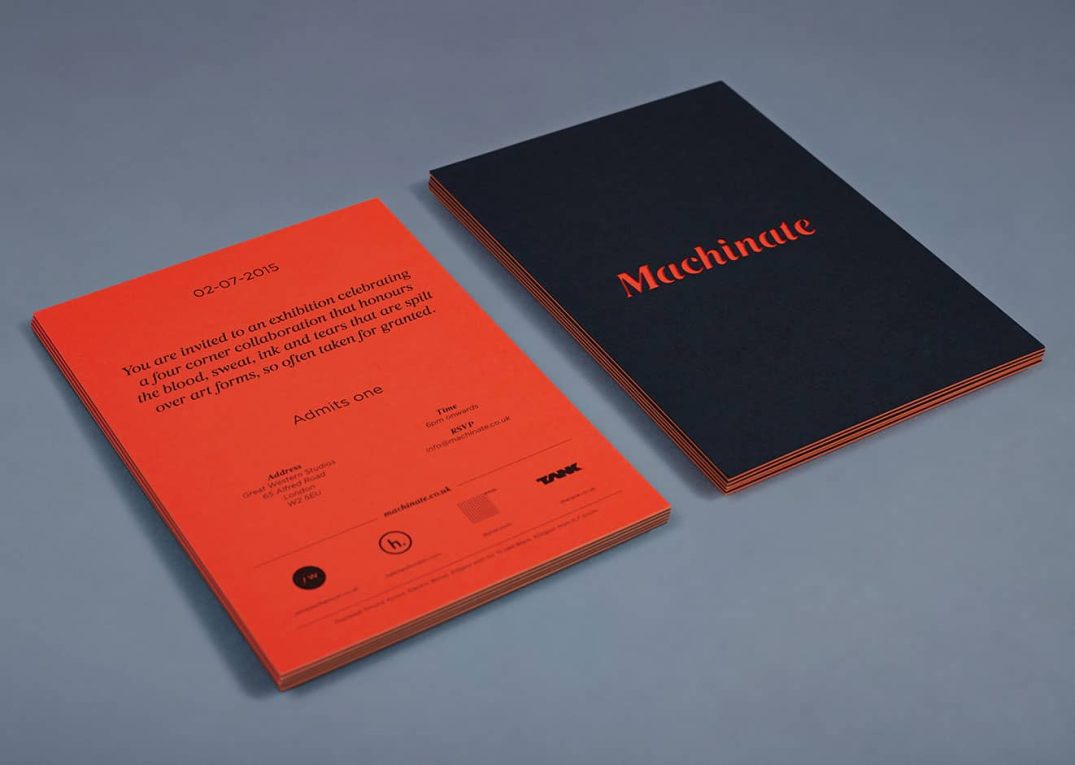
The launch exhibition introduced Machinate to London’s creative community, celebrating not only the finished work but the collaborative process behind it. The project became a powerful calling card for everyone involved, demonstrating the value of specialist craft at a time when much of the industry was moving towards increasingly automated production.
Years later, Machinate remains a reminder that some of the most memorable creative work begins not with a commercial brief, but with a shared desire to make something exceptional.